
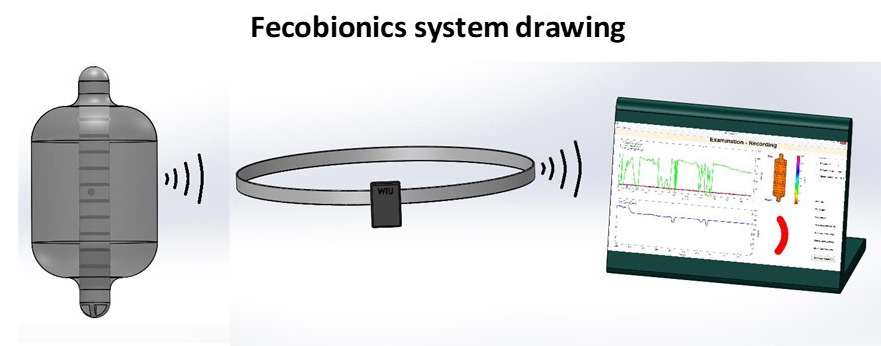
Diseases related to the gastrointestinal tract have reached epidemic proportions including irritable bowel syndrome (IBS affects 20-25% of the population) and obesity where 25% of American adults are obese and more than 50% are overweight.
Less known examples, partly due to social stigma, are defecatory diseases that affect 25% of the population and the incidence is rising. These diseases pose a major health care burden and are poorly recognized and treated. The need for better diagnostics and therapeutics is substantial. Chronic constipation, a symptom of underlying disease, affects 12-19% of Americans with US expenditures on laxatives being alone greater than $800 million per year. Fecal incontinence affects 8-10% of the adult population. These symptoms are associated with diet, aging and a variety of underlying factors and diseases. The mechanisms of defecation and continence depend on colorectal motility, stool consistency, rectal capacity and compliance, anorectal sensitivity, and coordination of the pelvic floor muscles and sphincter. Management options for these patients are limited due to the multifactorial control of defecation and continence; and the difficulties in identifying the exact cause with current diagnostics. Precise diagnosis is necessary to judge if the patient is eligible for biofeedback treatment or other treatments. The lack of physiologically relevant and easy-to-use diagnostic tests for identifying the underlying mechanisms is a significant problem.
The vision of GI Bionics is to develop technologies that can help patients with functional gastrointestinal diseases and obesity to improve the quality of life and reduce associated risk factors for disease initiation and progression.